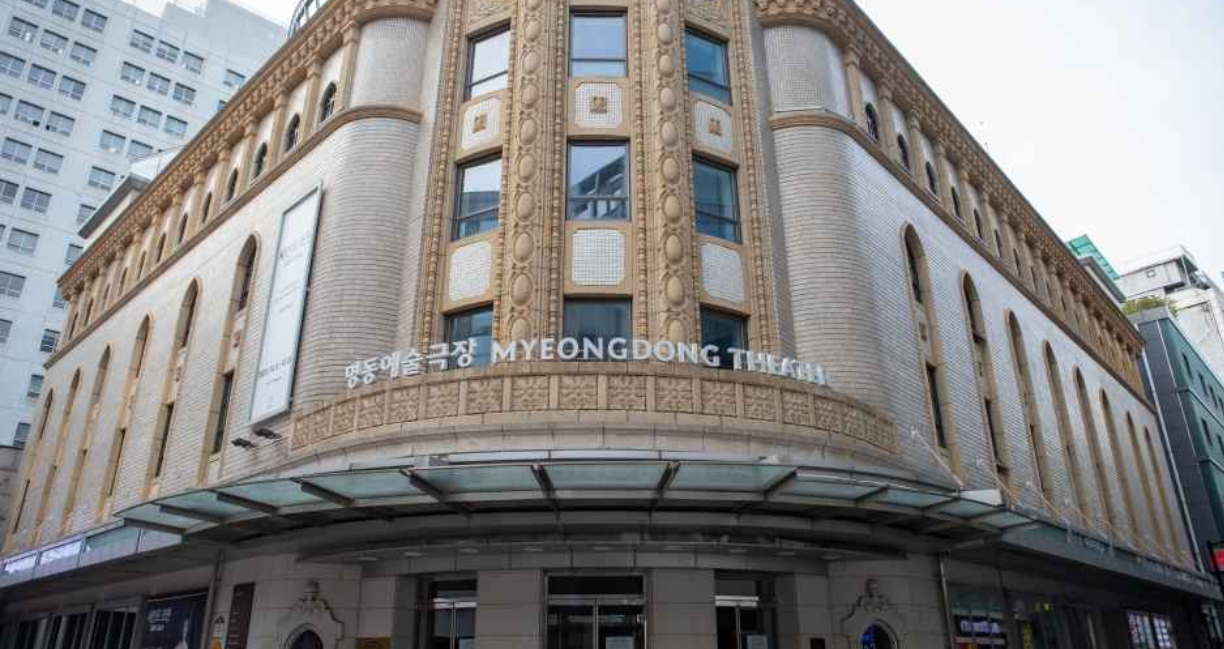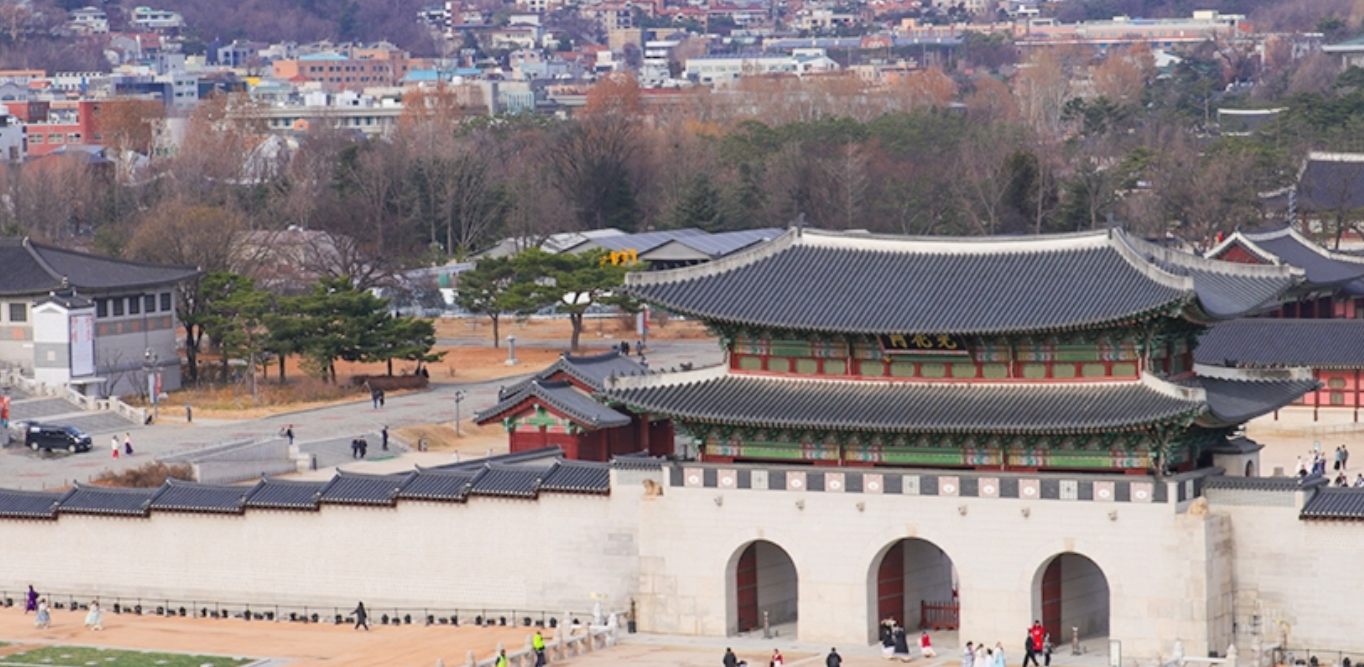
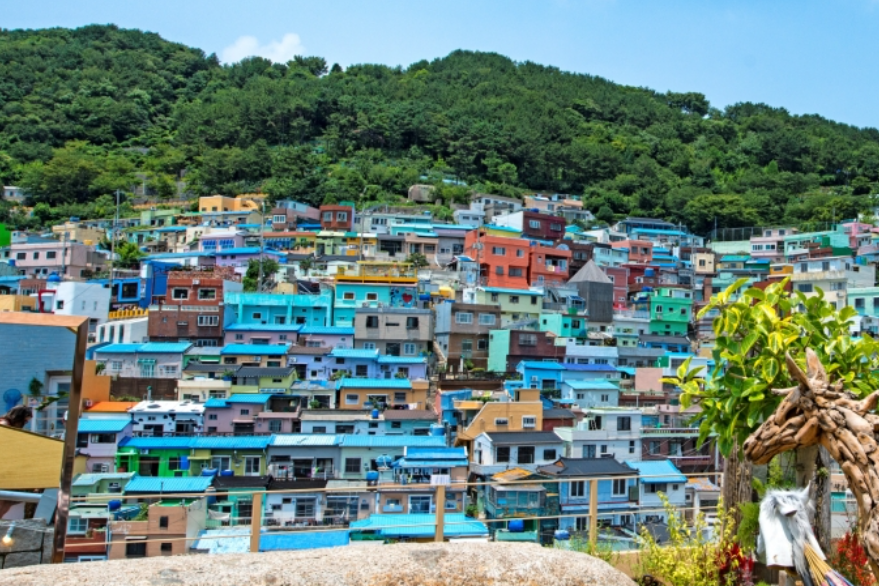
Korea has four seasons, and they mean business. Unlike a lot of countries where “season” is a loose concept, Korea’s weather genuinely shifts — sometimes dramatically — between March and December. Get the timing right and you’ll have one of the most beautiful trips of your life. Get it wrong and you’ll spend a week fighting a monsoon with a cheap umbrella.
I grew up here, and I still think about timing when I visit. Here’s my honest breakdown.
Spring — March to May
Average temperatures: 5°C (March) → 18°C (May)
Spring is Korea at its most cinematic. The cherry blossoms (벚꽃, beotkkot) typically peak in late March to mid-April, and the whole country leans into it — riverside paths fill up, parks get crowded, and people picnic under pink trees until dark. It’s genuinely beautiful, and yes, it’s worth the hype.
Beyond the blossoms, spring is just a pleasant time to be outdoors. The air is clear, the temperatures are comfortable, and the countryside starts turning green again after winter.
Planning a Seoul trip in spring? See our Seoul first-timer guide.
The catch: Everyone knows about cherry blossom season. Jeju and the southern cities bloom first, then Seoul — and the popular spots (Yeouido, Gyeongbokgung, Jinhae) get extremely busy. Book accommodation early if you’re visiting in late March or April.
What to wear:
- Light jacket or trench coat for mornings and evenings
- Jeans or trousers — shorts are too cold until late May
- Comfortable walking shoes (you will walk a lot)
- A packable rain jacket — spring showers are common, especially in April
Summer — June to August
Average temperatures: 22°C (June) → 33°C+ (August)
Summer is Korea at its most intense. The heat is real — humid, sticky, relentless in August — and the 장마 (jangma, monsoon season) typically runs from late June through July, bringing heavy, sustained rainfall. Some days it won’t stop.
That said, summer has its upside. Busan’s beaches are packed and lively, mountain trails are lush, and there are festivals throughout the season. Boryeong Mud Festival in July, Boseong Green Tea Festival, outdoor concerts everywhere.
If you don’t mind heat and the occasional soaking, summer is actually a fun time to be here. Just go in with your eyes open.
What to wear:
- Light, breathable fabrics — linen and cotton are your best friends
- T-shirts and shorts are fine; dresses and light trousers work well
- A compact umbrella or lightweight waterproof jacket — essential during jangma
- Comfortable sandals, but bring trainers too for hiking or uneven streets
- Koreans often carry small fans; you’ll understand why by August
Autumn — September to November
Average temperatures: 22°C (September) → 5°C (November)
Autumn is the other great season, and in some ways I prefer it to spring. The humidity drops, the skies clear, and the foliage turns — deep reds, oranges, and yellows across the mountains and temple grounds. Peak colour is usually mid-October to early November depending on the year.
It’s also the best time for hiking. Seoraksan in Gangwon-do is one of the most spectacular things I’ve ever seen in autumn. Bukhansan in Seoul, Jirisan in the south — all of them are at their best. The air is crisp, visibility is excellent, and the trails aren’t baking hot.
Tourist numbers drop slightly compared to spring, which makes autumn quietly the best-kept secret for timing your trip.
What to wear:
- Layering is key — mornings and evenings get cold fast
- Light sweater or knit, with a medium jacket over the top
- Jeans or warm trousers; dresses need tights by October
- Comfortable shoes or hiking boots if you plan to go into the mountains
- By November, add a scarf and consider a warmer coat
Winter — December to February
Average temperatures: -5°C to 5°C (Seoul) — colder inland, milder on Jeju
Korean winters are cold. Seoul sits on a latitude similar to Madrid, but the continental climate means dry, biting cold — nothing like southern Europe. Wind chill can push the “feels like” temperature well below freezing. Snow falls occasionally in Seoul and more reliably in the mountains.
Winter is not the obvious choice for a first visit, but it has genuine appeal. The ski resorts around Pyeongchang (which hosted the 2018 Winter Olympics) are excellent and well-connected from Seoul — Alpensia is the main resort complex. Crowds at most cultural sites thin out dramatically. Flight and hotel prices drop. And there’s something quietly beautiful about palaces and temples under snow.
Jeju Island is milder and worth considering if you want to escape the mainland chill.
What to wear:
- A proper heavy coat — not just a thick jacket, a real winter coat
- Thermal underlayers are essential; Korean winters will expose a gap in your wardrobe fast
- Scarf, hat, and gloves — non-negotiable in January and February
- Warm, waterproof boots with grip (Seoul streets can be icy)
- Indoor heating is strong in Korea, so layer up for outside and peel back inside
Month-by-Month at a Glance
| Month | Avg Temp | Conditions | Verdict |
|---|---|---|---|
| January | -3–2°C | Cold, dry, occasional snow | ✓ Quiet & cheap |
| February | -1–5°C | Cold, dry | ✓ Quiet & cheap |
| March | 3–10°C | Warming up, some rain | ⭐ Spring begins |
| April | 9–17°C | Cherry blossoms, mild | ⭐ Peak spring |
| May | 14–22°C | Warm, comfortable | ⭐ Excellent |
| June | 18–26°C | Warming, pre-monsoon | ✓ Good |
| July | 23–30°C | Monsoon (장마) | ✗ Avoid if possible |
| August | 24–33°C | Hot, humid, post-monsoon | ✓ If you like heat |
| September | 19–26°C | Cooling, clear | ⭐ Excellent |
| October | 10–20°C | Autumn foliage | ⭐ Peak autumn |
| November | 4–13°C | Cooling fast, late foliage | ✓ Good |
| December | -1–6°C | Cold, dry, festive | ✓ Quiet & cheap |
Jasper’s Pick
If I’m sending someone to Korea for the first time with no constraints, I tell them late April or October. The weather is genuinely comfortable, the country is at its most photogenic, and you’ll spend your days outside rather than sheltering from heat or cold.
If you’re flexible, avoid July. The monsoon can be managed, but it’s the one month where the weather can genuinely derail your plans. Heavy rain for days at a stretch isn’t fun when you’ve flown ten hours.
Winter is underrated if you ski, if you want to avoid crowds, or if you just don’t mind bundling up. Spring and autumn are reliable for almost everyone.
Ready to book? Make sure you’ve read Korea Travel Essentials for visa, SIM, and transport advice.