The Seoul–Busan combination is the most popular route in Korea for good reason. Seoul gives you the full urban experience — palaces, street food, world-class shopping, and buzzing night life — while Busan, just 2.5 hours away by KTX, delivers beaches, seafood, colourful hillside villages, and a more relaxed coastal vibe. Together, they make a near-perfect introduction to what Korea is all about.
This guide lays out a practical, day-by-day itinerary for both cities, built entirely around public transport, and adds a section on the best day trips you can do from Busan.
SEOUL: 2 Nights, 3 Days
Seoul is one of the world’s great megacities — relentlessly interesting, surprisingly easy to navigate, and endlessly rewarding for first-time visitors. Three days gives you a solid taste without feeling rushed.
Getting Into the City
Incheon International Airport (ICN) is about 50–60 km west of central Seoul. The easiest way to reach the city centre is via the AREX (Airport Railroad Express). The All-Stop train takes around 53 minutes to Seoul Station (₩4,150 with T-money), while the Direct Train takes 43 minutes to Seoul Station (₩9,500, reserved seating). From Seoul Station, you can transfer to the subway to reach your hotel. Taxis to central Seoul cost roughly ₩60,000–80,000 and take 60–90 minutes depending on traffic.
Day 1: Myeong-dong — Getting Orientated in the Heart of Seoul
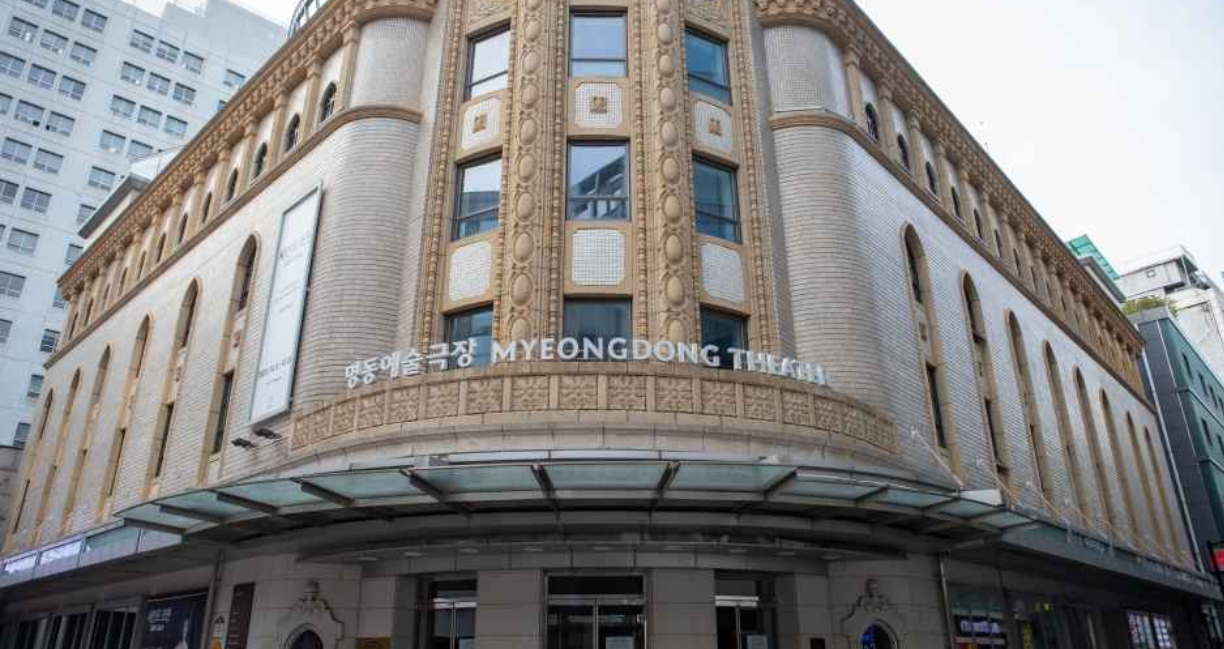
Your first day in Seoul is best spent in and around Myeong-dong, the city’s most central shopping and street food district. It’s lively, well-signed in English, and makes an easy introduction.
Morning: After checking in and dropping your bags, head straight to Myeong-dong’s pedestrian street. The area is home to hundreds of cosmetics and fashion stores, including Olive Young (Korea’s answer to Sephora), innisfree, and countless skincare brands. Even if you’re not a big shopper, it’s worth a wander to take in the energy. For a guide to what to buy and where, see Seoul K-Beauty Shopping. Street stalls selling tteokbokki (spicy rice cakes), hotteok (sweet pancakes), and tornado potatoes line the main drag.
Afternoon: Take the subway (Line 4) one stop north to Dongdaemun Design Plaza (DDP) — a striking futuristic landmark designed by Zaha Hadid. The building hosts exhibitions, a design museum, and regular markets. The surrounding Dongdaemun area is also one of Seoul’s great fashion wholesale districts, with multi-storey shopping complexes that stay open until 5am.
Evening: Return to Myeong-dong for dinner. The neighbourhood has an extraordinary range of food options — Korean BBQ restaurants, naengmyeon (cold noodle) specialists, Chinese-Korean fusion diners, and countless street stalls. After dinner, it’s a 15-minute walk uphill (or a quick cable car ride) to Namsan Mountain, where N Seoul Tower offers panoramic views across the city at night. The “love padlocks” attached to fences around the observatory are a charming photo opportunity.
Practical tip: The Myeong-dong Tourist Information Centre (inside the KEB Hana Bank, Exit 5/6 of Euljiro-ipgu Station, Line 2) is excellent — it stocks free Seoul guidebooks, Discover Seoul Passes, and English-speaking staff. Open daily 09:00–18:00.
Day 2: Gwanghwamun — Palaces, History & Traditional Culture
This is the cultural heart of the itinerary — a full day covering the historic centre of Seoul around Gwanghwamun Square and the traditional districts that fan out from it.
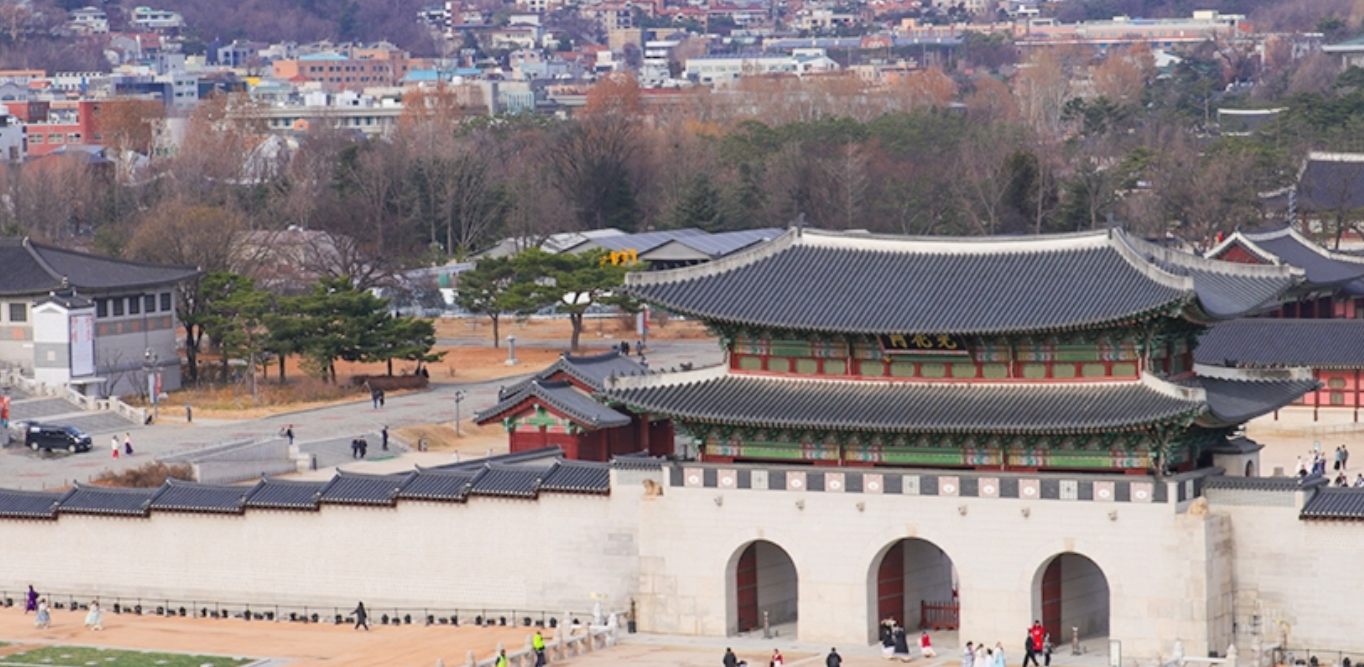
Morning — Gwanghwamun Square & Gyeongbokgung Palace: Start at Gwanghwamun Square (Line 5, Gwanghwamun Station, Exit 1), Seoul’s great civic plaza flanked by statues of Admiral Yi Sun-sin and King Sejong. The square leads directly to Gyeongbokgung Palace, the grandest of Seoul’s five royal palaces and the main palace of the Joseon Dynasty (1392–1897). Entry costs ₩3,000 (free in hanbok). The palace grounds are enormous — allow 90 minutes to explore the main halls, the beautiful Hyangwonjeong pavilion, and the National Folk Museum (free entry with palace ticket) inside the grounds. If you can, time your visit to catch the changing of the royal guard ceremony, held twice daily at 10am and 2pm at the main gate.
Pro tip: Rent hanbok (traditional Korean dress) from one of the many shops on the alleys just south of the palace. When wearing hanbok, entry to all four main royal palaces in Seoul is free, and you’ll get some excellent photos.
Late morning — Bukchon & Samcheong-dong: Exit the palace’s eastern gate and walk into Bukchon Hanok Village, a neighbourhood of several hundred traditional hanok (wooden tile-roofed houses) on the hillside between Gyeongbokgung and Changdeokgung palaces. The alley views at the top of the main walking route are among the most photographed spots in Korea. From Bukchon, stroll downhill into Samcheong-dong, a charming street of independent cafés, art galleries, boutiques, and craft shops. This is one of Seoul’s most creative and Instagram-friendly neighbourhoods.
Lunch: Samcheong-dong or nearby Insadong offer many excellent lunch options, from traditional Korean set meals (hansik) to modern Korean fusion.
Afternoon — Insadong: Walk south to Insadong, Seoul’s traditional arts district, packed with craft shops, antique stores, tea houses, and galleries selling Korean ceramics, hanji paper goods, and handmade jewellery. The Ssamziegil courtyard in the middle of Insadong is a quirky, multi-level indoor market worth exploring.
Evening — Gwangjang Market: End your day at Gwangjang Market (Line 1/2, Jongno 5-ga Station), one of Seoul’s oldest traditional markets. Skip the clothing sections and head straight for the food hall inside — the long aisles of pojangmacha-style stalls serving bindaetteok (mung bean pancakes), mayak kimbap, yukhoe (raw beef), and noodle dishes are a quintessential Seoul experience. Budget around ₩10,000–15,000 per person for a satisfying street food dinner.
After dinner — Han River: Take the subway to nearby Yeouido Hangang Park or Ttukseom Hangang Park for an evening walk along the river. In warmer months, vendors sell chimaek (chicken and beer) and you can rent bicycles. The city lights reflecting on the water are beautiful.
Day 3: Gangnam & Hongdae — Modern Seoul, Then Fly
Your final Seoul day contrasts two very different faces of modern Korea before heading out.
Morning — Gangnam: Head to Gangnam (Lines 2/9, Gangnam Station), the affluent commercial district south of the Han River. The main streets are lined with flagship brand stores, sleek cafés, and the kind of high-end urban energy that made Gangnam internationally famous. COEX Mall — a 10-minute walk from Gangnam Station — is worth visiting for its remarkable Starfield Library, a dramatic public reading room inside the mall featuring soaring bookshelves, free to visit. COEX also houses an aquarium, cinema, and department store. If you’re departing by KTX from Seoul, note that COEX offers a City Air Terminal (CAT) where you can check your luggage and complete airline check-in before heading to the airport by limousine bus — saving considerable time and hassle.
Afternoon — Hongdae: Finish in Hongdae (Lines 2/6/AREX, Hongik University Station), the epicentre of Seoul’s youth culture, indie music scene, and street art. The area buzzes from mid-afternoon onwards with buskers, pop-up markets, vintage clothing shops, and some of Seoul’s best affordable street food. The neighbourhood is also home to the AREX direct train to Incheon Airport, making it a convenient final stop before departure.
Getting from Seoul to Busan
The KTX from Seoul Station to Busan Station takes approximately 2 hours 30 minutes and costs around ₩59,800 in standard class. Trains depart frequently throughout the day. Book in advance at korail.go.kr or the Korail app. The journey through the Korean countryside is pleasant — grab a seat on the right side of the train heading south for views of fields and mountains.
BUSAN: 1 Night, 2 Days
Busan is a revelation for first-timers who arrive expecting a second Seoul and discover something entirely different: a port city with real character, dramatic geography (mountains meet sea), extraordinary seafood, and a pace of life a few notches slower than the capital.
Day 1: Beaches & Bayfront
Morning — Haeundae Beach & Dongbaek Island: Start at Haeundae (Line 2, Haeundae Station), Busan’s most famous beach. Haeundae stretches for nearly 2km of white sand backed by high-rise hotels and backed by the sea. In summer it’s famously crowded; in other seasons it’s peaceful and beautiful. Walk west along the shore to Dongbaekseom (Camellia Island), a small forested peninsula connected to the beach by a promenade. The coastal path around Dongbaekseom offers great sea views and leads past the APEC House, where the 2005 APEC summit was held.
Lunch: Head back to Haeundae Station for milmyeon (Busan-style cold wheat noodles) or dwaeji gukbap (pork and rice soup) — the two signature dishes of Busan. Both are inexpensive, filling, and available from dozens of specialist restaurants within a short walk of the station. Budget around ₩8,000–12,000 per bowl.
Afternoon — Gwangalli Beach: Take the subway one stop (Line 2 to Geumnyeonsan or Gwangan Station) to Gwangalli Beach. Smaller and quieter than Haeundae, Gwangalli faces directly out to Gwangan Bridge, one of Korea’s most photographed structures — spectacular at night when it’s illuminated in changing colours. The beachfront promenade is lined with independent cafés and restaurants, many with floor-to-ceiling sea views. This is an excellent spot to spend an afternoon in a café watching the light change.
Evening: Stay around Gwangalli for dinner. The street parallel to the beach has dozens of seafood restaurants and pocha (outdoor street stall) vendors selling fresh grilled shellfish, spicy squid, and pajeon (seafood pancake). Eating outside on the waterfront with Gwangan Bridge glowing in the background is one of the great Busan experiences.
Accommodation: Both Haeundae and Gwangalli have strong options across all budgets — from mid-range business hotels to backpacker guesthouses. Gwangalli is slightly quieter and well-placed for Day 2’s itinerary.
Day 2: Culture & Traditional Busan
Morning — Gamcheon Culture Village: Take the subway to Toseong Station (Line 1) and transfer to a village bus (마을버스) for the short ride up the hillside to Gamcheon Culture Village (감천문화마을). Often compared to the favelas of Rio or the hillside towns of Santorini, Gamcheon is Busan’s most striking neighbourhood — a maze of steep alleyways, brightly painted houses, and outdoor art installations that cascade down the hillside in layers of colour. Allow 90 minutes to 2 hours to explore the winding lanes, buy prints and ceramics at the small artist studios, and admire the views back towards the port. Go early on weekends to beat the crowds.
Late morning & Lunch — International Market & BIFF Square: Head down to the city centre via subway (Jagalchi Station, Line 1) and spend time at Gukje (International) Market — Busan’s largest traditional market, a warren of stalls selling everything from clothing and household goods to dried seafood and street food. Immediately adjacent is BIFF Square (Busan International Film Festival Square), a pedestrian street whose name reflects Busan’s status as Asia’s biggest film festival host. It’s lined with street food vendors: ssiat hotteok (seeds and honey-filled pancakes), eomuk (fish cake broth), and twigim (Korean tempura) are all excellent here and cost almost nothing.
Afternoon — Yongdusan Park & Busan Tower: A short walk uphill from Nampo Station brings you to Yongdusan Park, a forested hilltop park with an old pagoda and open plazas. At its centre stands Busan Tower (entry ₩12,000), a 120m observation tower from which you can take in a panoramic sweep of the city — Gwangalli Bridge, Yeongdo Island, the port and container ships, and the mountains ringing the city. It’s a satisfying final view before heading back to Busan Station.
Departure: Nampo Station is one stop from Busan Station on Line 1 (about 5 minutes). KTX trains back to Seoul or onward to other destinations run frequently throughout the day.
Practical tips for Busan:
- A single T-money card covers all Busan subway lines and buses.
- Coin lockers at Busan Station are convenient if you’re travelling with luggage and want to explore before check-in or after check-out.
- Weekends at Haeundae and Gwangalli can be very busy — arrive early for beaches and viewpoints.
Day Trips from Busan
If you have extra time in the Busan area, these destinations are all within easy reach.
Gyeongju — The Museum Without Walls (Approx. 1 hour by KTX/train)
Gyeongju is one of Korea’s most historically significant cities — the ancient capital of the Silla Kingdom for nearly a thousand years (57 BCE–935 CE), and today a UNESCO World Heritage area. The city is sometimes called “the museum without walls” because the historical sites extend across the whole landscape.
Must-see in Gyeongju:
- Bulguksa Temple — One of Korea’s finest Buddhist temples, dating from the 8th century, set in a mountain forest. A UNESCO World Heritage Site. The twin stone pagodas (Dabotap and Seokgatap) in the main courtyard are masterpieces of Silla stonework. Allow 1.5–2 hours.
- Seokguram Grotto — A short bus or taxi ride above Bulguksa, this 8th-century stone grotto houses an extraordinarily serene stone Buddha considered one of the finest examples of Buddhist sculpture in East Asia. Also UNESCO-listed.
- Daereungwon Tumuli Park (Cheonmachong) — A park filled with the huge grass-covered burial mounds (tumuli) of Silla royalty. You can walk through the park freely, and one of the tombs (Cheonmachong) is open for viewing inside.
- Donggung Palace & Wolji Pond (Anapji) — A reconstructed Silla royal banquet hall and its reflecting pond — extraordinary at dusk and after dark when the lights come on.
- Hwangniidan-gil — Gyeongju’s version of a hip café street: a neighbourhood of renovated hanok buildings turned into independent cafés, bakeries, and craft shops near the tumuli park. Try gyeongju-ppang (local sweet bread filled with red bean paste).
Jinhae — Cherry Blossoms (Approx. 1 hour by train + bus, Spring only)
If you’re visiting in late March to early April, the small naval port city of Jinhae is the most spectacular cherry blossom destination in Korea. The Jinhae Gunhangje Festival draws millions of visitors each year to see the city’s famous tunnel of cherry blossoms along Yeojwacheon Stream. It’s extraordinarily crowded, but also genuinely magnificent. Book accommodation months in advance if you want to stay overnight.
Gijang — Coastal Scenery & Seafood (Approx. 30 minutes by subway/bus)
For a half-day escape to the coast without the crowds, Gijang (northeast of Busan on the subway) is ideal. The Orang Daegongwon (Orang Cape Park) has dramatic rocky coastline and sea views, and the area around Jukseong Deurim Cathedral — a charming European-style church perched above the sea — is one of Busan’s most popular photo spots. Gijang is also famous for the freshest seafood in the region: the local market sells sea urchin, crab, and raw fish at very reasonable prices.
Yangsan Tongdosa Temple (Approx. 50 minutes by subway + bus)
Tongdosa Temple in Yangsan is one of Korea’s “Three Jewel Temples” (the three most sacred Buddhist temples in the country) and a UNESCO World Heritage Site (as part of the Sansa cluster). The approach through old-growth forest is beautiful, the temple complex is large and architecturally remarkable, and the surrounding valley with the Naewonsa Valley stream is excellent for walking in summer. A rewarding half-day trip for those interested in Korean Buddhism or simply beautiful natural surroundings.
Summary: How to Fit It All In
A typical Seoul + Busan first visit might look like this:
- Days 1–3: Seoul (arrive Day 1, depart evening Day 3 or morning Day 4)
- Day 3 or 4: KTX to Busan (afternoon arrival, Gwangalli evening)
- Day 4 or 5: Busan (Haeundae + Gamcheon + markets)
- Day 5 or 6 (optional): Day trip to Gyeongju or Gijang
- Depart from Busan (Gimhae Airport, GMP) or KTX back to Seoul for departure from Incheon
This classic route is flexible, doable entirely on public transport, and offers an excellent cross-section of what Korea has to offer a first-time visitor.
Planning your transport and visa? See Korea Travel Essentials before you fly.