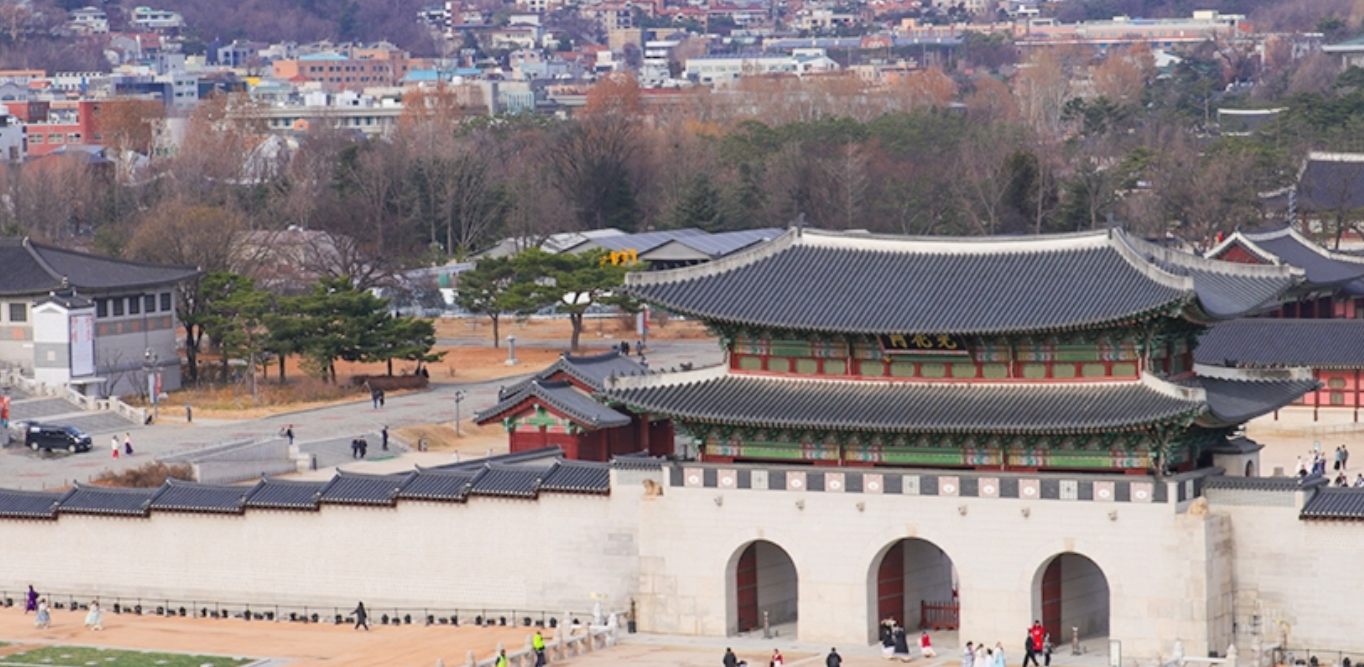
South Korea is one of Asia’s most rewarding destinations — a place where ancient palaces sit a few subway stops from neon-lit shopping streets, where temple food and K-BBQ are equally unforgettable, and where the infrastructure is so good you’ll feel at home from day one. But like any country, a little preparation goes a long way. This guide covers everything a first-time visitor needs before landing at Incheon.
Visas & Entry
Depending on your nationality, you may not need a visa at all. Citizens of most Western countries — including the US, UK, Australia, Canada, and most of Europe — can enter South Korea visa-free for up to 90 days for tourism. If your country is not on the visa exemption list, you’ll need to apply for a tourist visa through the nearest Korean embassy or consulate before travelling.
Regardless of visa status, make sure your passport is valid for the duration of your stay, and have a copy of your accommodation booking or onward travel itinerary ready for immigration — it’s rarely asked for, but good to have. Entry through Incheon International Airport (ICN), the main gateway near Seoul, is usually smooth and well-signposted in English.
Getting Around: Transport in Korea
Korea’s public transport network is one of the best in the world, and it makes getting around genuinely easy even if you don’t speak a word of Korean.
The T-money Card is your single most important purchase on arrival. It’s a reloadable transit card that works on subways, city buses, and even some taxis across the country. Pick one up at any convenience store (GS25, CU, 7-Eleven) or at airport kiosks, top it up with cash, and you’re good to go. Using a T-money card gives you a small discount over single-journey tickets and saves a lot of fumbling at ticket machines.
Seoul’s subway is the backbone of the city and one of the most extensive metro systems in the world. All stations are numbered and colour-coded by line, announcements are made in Korean, English, Chinese and Japanese, and free Wi-Fi is available throughout. It runs from around 5:30am to midnight.
KTX (Korea Train Express) is the high-speed rail network connecting Seoul to major cities including Busan (approx. 2.5 hours), Gyeongju, and beyond. It’s fast, punctual, and comfortable. Book tickets in advance through Korail’s website or the Korail app, especially for weekend travel.
Intercity buses are a cheaper alternative to KTX and serve many destinations not on the rail network. Express buses depart from major bus terminals in each city.
Taxis are inexpensive by Western standards and widely available. Kakao Taxi (the Korean equivalent of Uber) is the easiest way to hail a cab using an app, and drivers don’t need to speak English.
Money & Payments
Korea is largely a cashless society — credit and debit cards are accepted almost everywhere, including convenience stores, markets, and street food stalls. Visa and Mastercard work reliably; Amex acceptance is spottier. That said, carry some cash (Korean Won, ₩) for smaller vendors, temple entry fees, and traditional markets.
ATMs at convenience stores (especially 7-Eleven and GS25) reliably accept foreign cards with an English-language option. Airport exchange desks offer decent rates. Avoid hotel exchange counters.
Tax Refunds: As a foreign visitor, you’re entitled to a VAT refund on purchases made at participating shops when you spend above a certain threshold (typically ₩30,000 per store). Look for the “Tax Free” logo. Collect your refund receipts throughout the trip and claim at the Tax Refund counter at the airport before departure.
Language
Korean (한국어) is the official language, and while English proficiency is growing — especially among younger Koreans and in tourist-heavy areas — don’t assume everyone speaks English outside of Seoul. Learning a few basic phrases goes a long way and is always appreciated.
A handful of useful words and phrases:
- Annyeonghaseyo (안녕하세요) — Hello / Good day
- Gamsahamnida (감사합니다) — Thank you
- Jal meokgesseumnida (잘 먹겠습니다) — Said before a meal; roughly “I will eat well” — a polite custom before eating
- Eolmaeyo? (얼마예요?) — How much is this?
- Hwajangsil eodi isseoyo? (화장실 어디 있어요?) — Where is the bathroom?
Most major tourist attractions, subway stations, and menus in popular areas have English translations. Google Translate’s camera function (pointing your phone at Korean text) is also remarkably useful on the road.
Cultural Etiquette
Korea has a strong culture of respect and social harmony. A few things to be aware of:
Greetings: A slight bow is the standard greeting. You don’t need to perform a deep bow as a foreigner — a small nod of the head is perfectly appropriate and well-received.
Dining customs: Before eating, Koreans say “잘 먹겠습니다” (jal meokgesseumnida — I will eat well). After the meal, “잘 먹었습니다” (jal meogeosseumnida — I ate well) is the polite closing. Most Korean meals are served with shared side dishes (banchan) in the middle of the table — help yourself freely. When pouring drinks for others, use two hands, and wait for elders to begin eating before you start.
Chopstick etiquette: Don’t stick chopsticks vertically into a bowl of rice (associated with funeral rites), and don’t pass food directly from chopstick to chopstick for the same reason.
Shoes: You’ll need to remove your shoes when entering many traditional restaurants (those with low tables and floor seating), guesthouses, and temples. Wearing slip-on shoes makes this much easier.
Queuing and public spaces: Koreans tend to be orderly about queuing for transport and very respectful in public spaces. Keep noise levels down on the subway and in restaurants.
Tipping: Tipping is not customary in Korea and can occasionally cause confusion or mild embarrassment. Service charges are generally included in restaurant bills.
Food: What to Eat
Korean food is one of the great reasons to visit. Here’s a quick reference for first-timers:
Essential dishes to try:
- Kimchi (김치) — Fermented, spiced vegetables (usually cabbage). Served as a side dish at virtually every meal. A cornerstone of Korean cuisine.
- Bibimbap (비빔밥) — Colourful bowl of rice topped with seasoned vegetables, a fried egg, and gochujang paste; mix everything together before eating.
- Bulgogi (불고기) — Thinly sliced, marinated beef grilled at the table or on a pan. Sweet, savoury, and excellent.
- Tteokbokki (떡볶이) — Chewy rice cakes in a spicy red sauce, usually sold at street stalls. One of the most popular snacks in the country.
- Samgyeopsal (삼겹살) — Thick pork belly grilled at the table; wrap in lettuce with garlic and doenjang paste.
- Doenjang jjigae (된장찌개) — Fermented soybean paste stew; earthy, comforting, and endlessly satisfying.
- Jajangmyeon (자장면) — Black bean sauce noodles; a Korean-Chinese favourite perfect for a quick, cheap lunch.
For a full breakdown of how Korean BBQ works, see our complete Korean BBQ guide.
Street food not to miss:
- Hotteok (호떡) — Sweet pancakes filled with brown sugar, nuts and cinnamon; a winter staple
- Sundae (순대) — Korean blood sausage; more approachable than it sounds
- Bungeoppang (붕어빵) — Fish-shaped waffle filled with sweet red bean paste; iconic winter street snack
- Odeng / Eomuk (어묵) — Fish cake on a skewer, sold in warm broth at pojangmacha (street stalls)
Dining tip: Most restaurants display plastic food models or picture menus at the entrance. If you’re stuck, pointing works fine. Many places also now have QR code menus with English options.
Shopping
Korea is a shopper’s paradise whether you’re after cutting-edge K-beauty products, streetwear, traditional crafts, or fresh market finds.
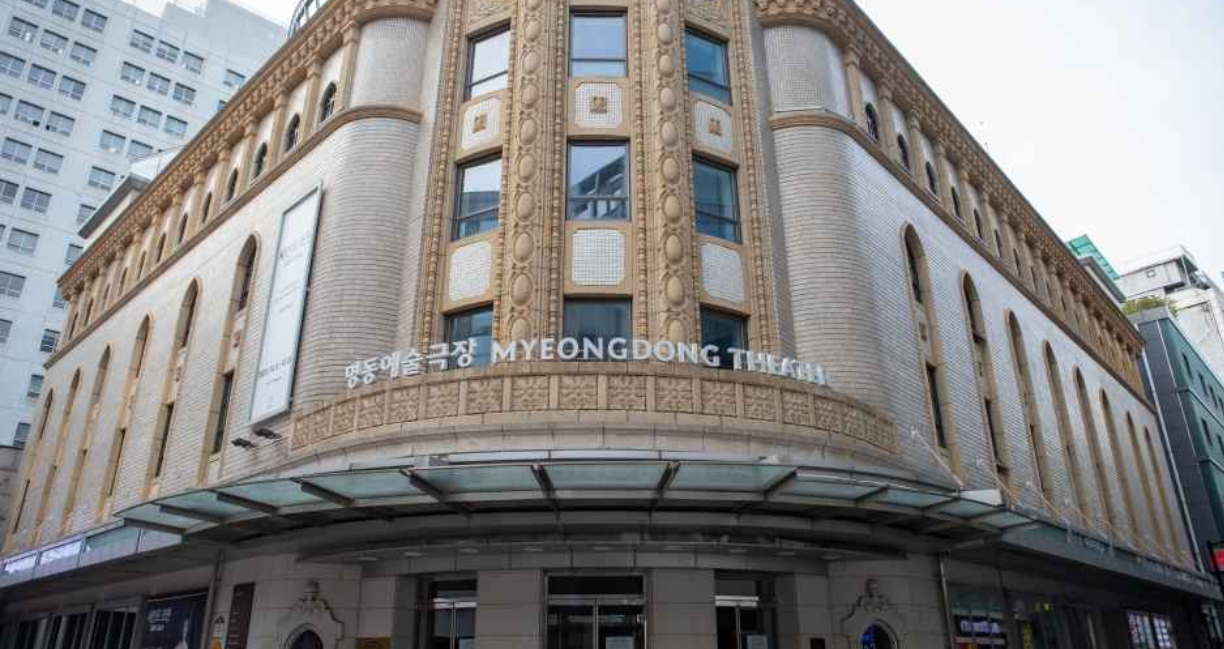
Myeong-dong (명동), Seoul is the go-to district for K-beauty (skincare and cosmetics), fast fashion, and global brands. Prices are competitive and staff at cosmetics stores are used to helping foreign visitors. Don’t miss the street food stalls lining the main drag.
Dongdaemun (동대문), Seoul is the place for affordable clothing, with huge multi-storey wholesale and retail fashion complexes open late into the night.
Namdaemun Market (남대문시장), Seoul is one of Seoul’s oldest and most atmospheric traditional markets. Clothing, household goods, street food, and a buzzing local atmosphere.
Gwangjang Market (광장시장), Seoul is less about shopping and more about eating — famous for its bindaetteok (mung bean pancakes), mayak kimbap (small sesame-seed rice rolls), and raw fish.
Insadong (인사동), Seoul is the place for traditional crafts, artwork, calligraphy supplies, and uniquely Korean souvenirs. A favourite with foreign visitors.
COEX Mall, Gangnam is one of Asia’s largest underground shopping malls, home to 260+ stores, a famous library, an aquarium, a multiplex cinema, and a department store above ground.
Tips: When buying at traditional markets, a little gentle haggling is acceptable. Cosmetics and electronics are often cheaper in Korea than abroad, especially if you claim your VAT refund.
Festivals & Events Worth Planning Around
Korea’s calendar is packed with both traditional and contemporary festivals. A few highlights by season:
Spring (March–May): The cherry blossom season (late March to mid-April) transforms Jinhae, Gyeongju, and parks across Seoul into pink wonderlands. Jinhae’s Gunhangje Cherry Blossom Festival is the most famous, drawing enormous crowds. Book accommodation well in advance.
Autumn (September–November): Autumn foliage is spectacular across Korea, with Seoraksan National Park and Naejangsan among the best spots. Chuseok (추석), the Autumn Harvest Festival, is one of Korea’s two biggest holidays — the equivalent of a national Thanksgiving, when families gather and many businesses close. Plan around it rather than through it.
Year-round:
- Boryeong Mud Festival (July) — A famously fun beach festival in South Chungcheong province
- Busan International Film Festival (October) — One of Asia’s most prestigious film festivals
- Seoul Jazz Festival (May) — Top-tier international jazz acts in Seoul
- Jinju Lantern Festival (October) — Thousands of lanterns float down the Nam River; one of Korea’s most visually stunning events
For advice on timing your trip around Korea’s seasons, see The Best Months to Visit Korea.
Top Destinations at a Glance
If this is your first visit to Korea, these are the destinations most worth your time:
Seoul — The capital is a destination unto itself: royal palaces, world-class dining, K-pop culture, design museums, and neighbourhoods like Bukchon, Insadong, and Hongdae all within easy subway reach. Plan at least 3 nights here.
Busan — Korea’s second city and port is a coastal gem: Haeundae and Gwangalli beaches, Gamcheon Culture Village, fresh seafood at Jagalchi Market, and a lively food scene. A 1–2 night stay fits well after Seoul.
Jeju Island — A subtropical island off the southern coast, home to Hallasan volcano, dramatic coastal cliffs, black lava beaches, and a relaxed pace of life. Requires a short domestic flight or ferry and is best explored over 3–4 nights with a rental car.
Gyeongju — The ancient capital of the Silla Kingdom is an open-air museum of royal tombs, Buddhist temples (Bulguksa, Seokguram), and traditional architecture. An easy day trip or overnight from Busan.
Jeonju — The home of bibimbap and Korea’s most beautifully preserved hanok (traditional house) village. A perfect 1-night stop for food lovers and culture seekers.
Practical Tips Before You Leave Home
- SIM card or pocket Wi-Fi: Buy a Korean SIM card at the airport on arrival (major providers: SKT, KT, LG U+) or pre-order a pocket Wi-Fi device. Connectivity is fast and near-universal.
- Power: Korea uses Type C and F plug sockets (same as continental Europe) at 220V. Bring an adaptor if coming from the US, UK, or Australia.
- Water: Tap water is technically safe to drink in Korea but most locals drink bottled or filtered water. Convenience stores sell cheap bottled water everywhere.
- Medical kit: Bring basic medications from home. Korean pharmacies (약국) are excellent and widespread, but pharmacists may not speak English outside major cities.
- Download these apps: Kakao Map (better than Google Maps for Korean transit), Naver Map, Papago (translation), Kakao Taxi.
- Public holidays: Check the Korean national holiday calendar before booking. Most shops and restaurants stay open, but some attractions close and public transport gets very crowded.
Korea rewards curious, open-minded travellers. The infrastructure is world-class, the food is extraordinary, and Koreans are generally welcoming and patient with foreign visitors navigating the country for the first time. Start planning — you won’t regret it.